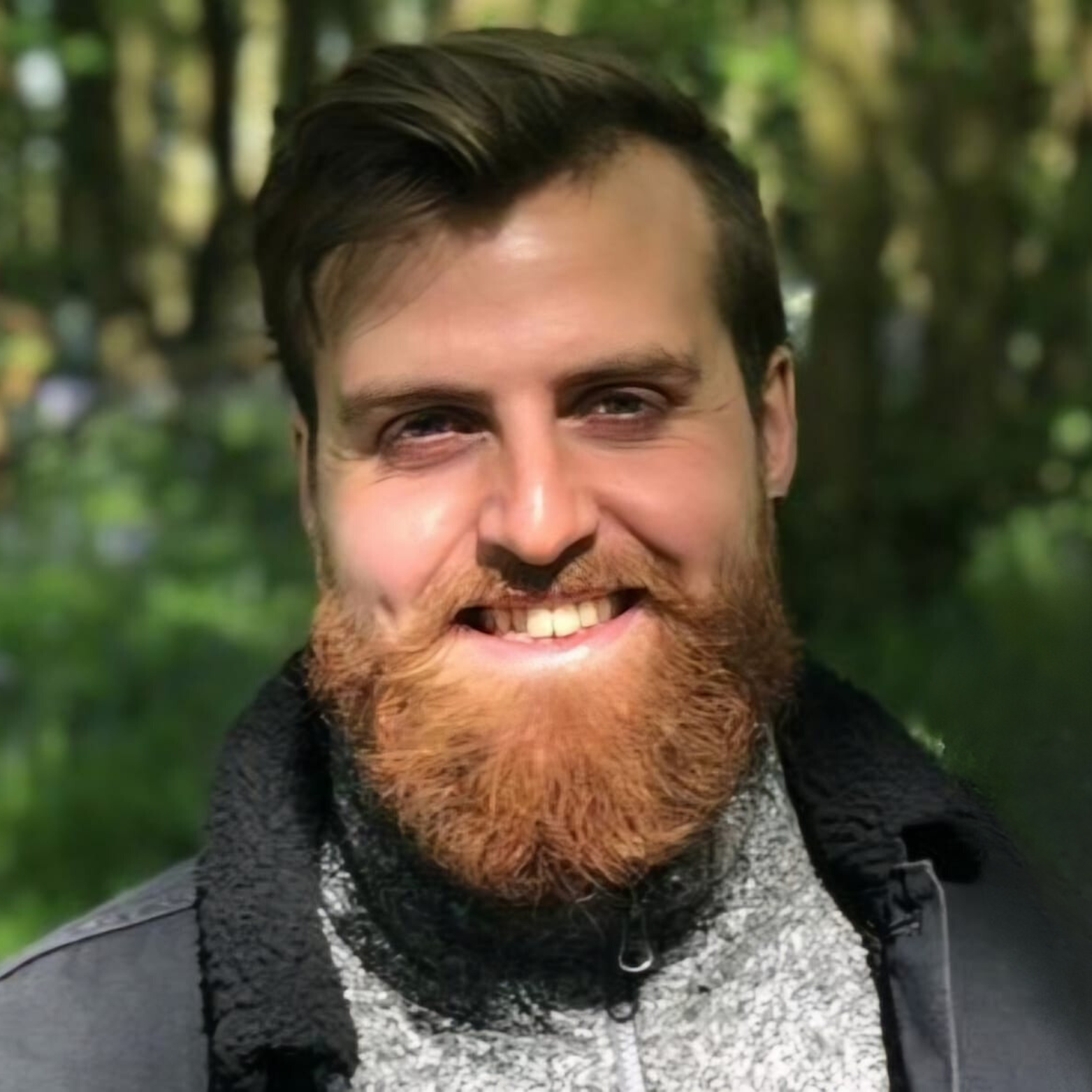
Dr. James Cooke is the Director and Principal Investigator of The Oxford Contemplative Science Research Program within The Centre for Eudaimonia and Human Flourishing, and is based in Oxford’s Department of Psychiatry.
James holds three degrees from Oxford University (a DPhil (PhD) and Masters in Neuroscience & a BA in Experimental Psychology). He has conducted scientific research for over a decade at institutions such as Oxford University, University of California, Berkeley, University College London, Trinity College Dublin, and Riken Brain Sciences Institute in Tokyo.
He is also the originator of the philosophical paradigm of Nondual Naturalism, articulated in his book The Dawn of Mind: How Matter Became Conscious and Alive (Rowman & Littlefield), which synthesizes science and contemplative insight to reframe the Hard Problem of Consciousness. He is also the originator of the Living Mirror theory of consciousness which, in combination with the framework of Nondual Naturalism, envisions consciousness as epistemic relationality, within a broader relational metaphysics, thereby overcoming the false dichotomy between mind and matter.
The Oxford Contemplative Science Research Program is housed within The Centre for Eudaimonia and Human Flourishing in Linacre College, Oxford University.
The Director and Principle Investigator of the program is James Cooke DPhil Oxon (PhD), and the program conducts research within the philosophical paradigm of Nondual Naturalism, articulated in his book, The Dawn of Mind.
Nondual Naturalism is a worldview that synthesises science and spiritual insight. It is centred around an understanding that perceived separations occur within experience, and do not exist objectively, making reality itself whole and undivided. This understanding is held to be crucial for appreciating our place in existence, and states of suffering and wellbeing that arise as a result.
Our research covers consciousness science, including understanding the neurobiology of positive and aversive conscious states that underpin flourishing and suffering, meditation, psychedelic therapy, and practice development for the relief of suffering. We aim to reenvision psychiatry as a first-principles science of the relief of human suffering, grounded both in time-tested ancient wisdom and in cutting-edge science.